

Top industries and services news from Ireland
Provided by AGP
AI-powered nonlinear optical imaging reveal protein spatial homogenization as indicator of bone quality type 2 diabetes
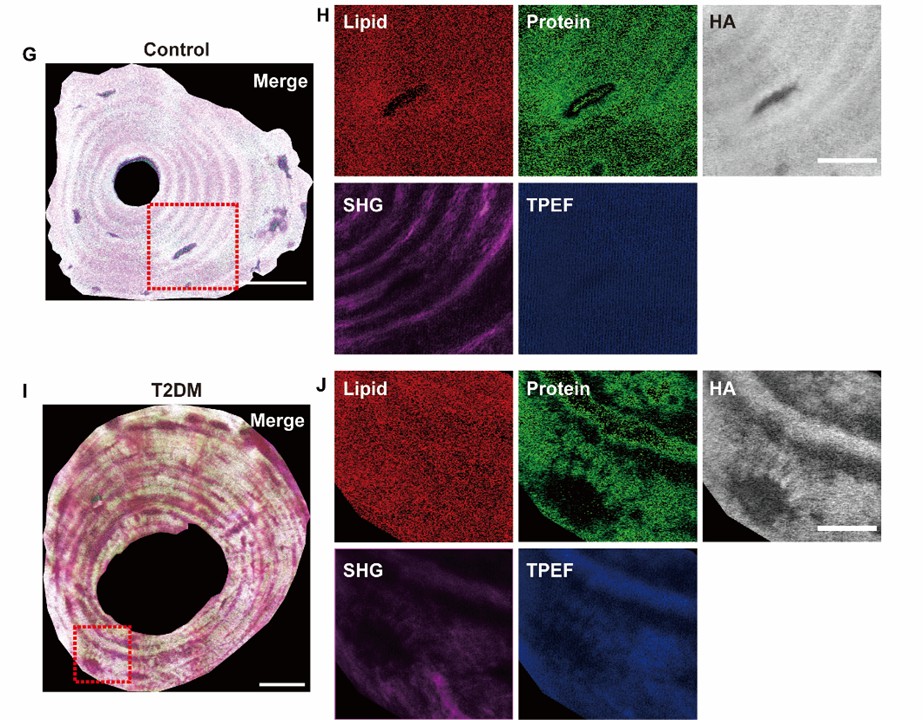
Figure 1 Multimodal nonlinear optical imaging of the osteon.
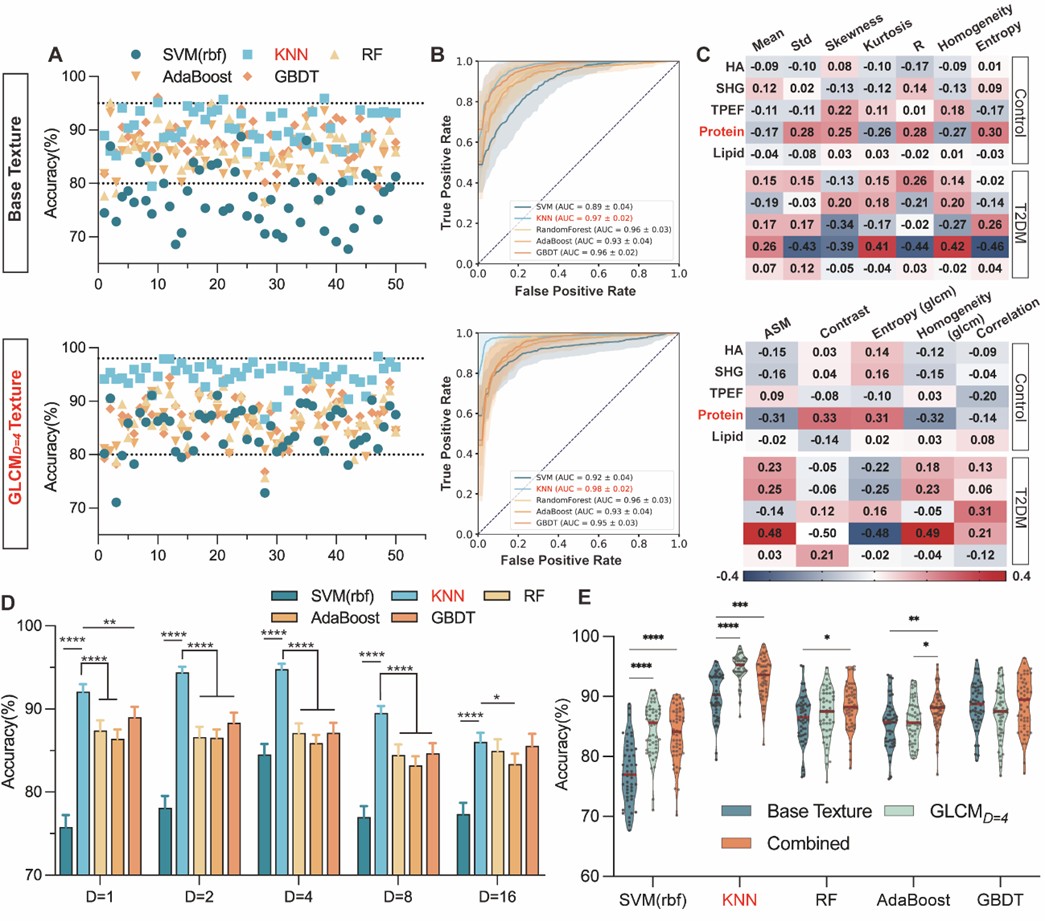
Figure 2 Classification results based on fused texture features.
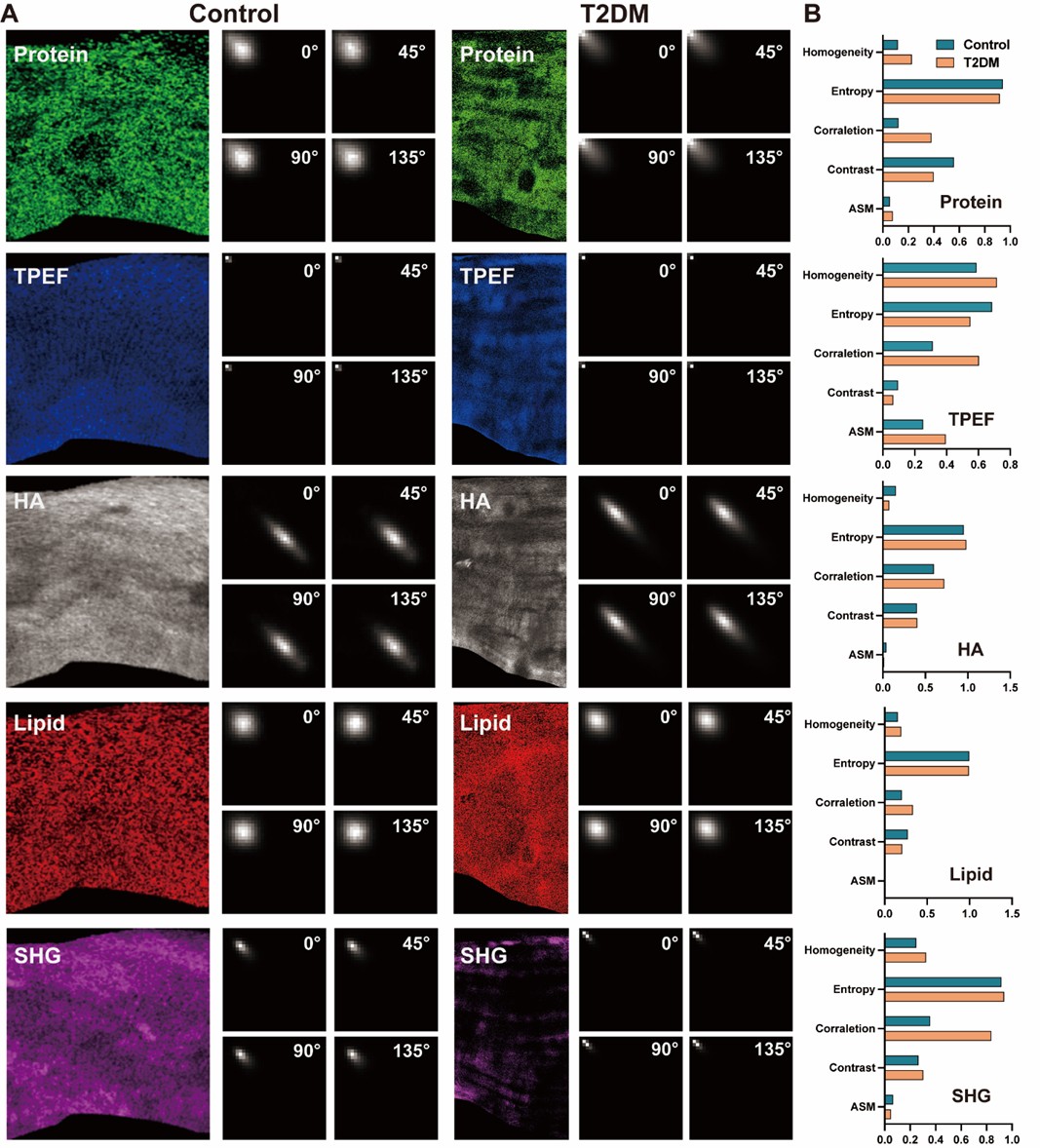
Figure 3 Visualization of multi-channel texture features.
SHANNON, CLARE, IRELAND, May 22, 2026 /EINPresswire.com/ -- Announcing a new publication from Opto-Electronic Advances; DOI 10.29026/oea.2026.250312.
Bone mineral density (BMD) has long been the "gold standard" for assessing fracture risk. However, clinicians face a paradox when treating patients with Type 2 Diabetes Mellitus (T2DM). Many patients exhibit normal or even above-average BMD, yet suffer from significantly higher fracture rates. This deceptive phenomenon has led researchers to realize that actual bone toughness relies on more than just inorganic mineral accumulation; it depends heavily on the internal microstructure, the distribution of organic materials, and the intricate osteocyte network. Once this microarchitecture degrades, bone stability is compromised even if overall bone mass remains seemingly intact.
Accurately capturing these micrometer- or nanometer-scale lesions using conventional diagnostic tools is highly challenging. Current histological methods rely on tedious chemical staining and time-consuming decalcification, which not only expend significant effort but irreversibly damage the bone's fragile native microenvironment. Furthermore, traditional optical microscopy often provides a fragmented view, visualizing a single component like collagen fibers or specific minerals but failing to capture the precise 3D spatial interactions among multiple key molecules. This makes it nearly impossible to piece together a complete pathological picture of T2DM-induced bone fragility.
To tackle this medical challenge, multimodal nonlinear optical (NLO) microscopy emerges as an optical breakthrough for unraveling the mystery of "invisible" diabetic bone damage. By leveraging molecules' intrinsic nonlinear optical effects and vibrational spectral signatures, this technique enables in situ "optical biopsies" of bone tissue without the need for exogenous labels or destructive decalcification. By integrating stimulated Raman scattering (SRS), second harmonic generation (SHG), and two-photon excited fluorescence (TPEF) into a single imaging platform, researchers can map out a high-resolution map encompassing proteins, lipids, and collagen fibers. Acquiring this multidimensional optical data nondestructively establishes a robust technological foundation for comprehensively understanding the micro-mechanisms of complex bone diseases.
To overcome the diagnostic limitations of single-component imaging, a research team led by Professor Ting Li from the Chinese Academy of Medical Sciences and Peking Union Medical College, in collaboration with Beihang University and Shanghai East Hospital, innovatively fused multi-channel nonlinear optical imaging with artificial intelligence (AI). Multi-channel images contain high-dimensional microscopic pathological data that evade the human eye (Figure 1). The team extracted spatial texture features from each channel and constructed classification models using machine learning algorithms. The results proved that by fusing information from three core optical channels (proteins, autofluorescent metabolites, and phosphates), the AI model could acutely capture the optical heterogeneity of T2DM bone tissue, achieving an impressive diagnostic accuracy of 93.56%. This comprehensively outperforms the ~70% accuracy typical of traditional single-channel optical diagnostics (Figure 2).
Through explainable AI analysis, the research team identified a spatial degradation feature unique to human T2DM bone tissue for the first time. Proteins, which usually cluster with high contrast and fine detail within healthy osteocyte networks, undergo pathological reorganization in T2DM patients, resulting in an unusually uniform and smooth spatial optical distribution. The researchers defined this unique degradation of optical texture as "protein spatial homogenization". This phenomenon likely reflects the disruption of the osteocyte communication network and the loss of structural gradients, serving as a powerful "optical pathological label" for diabetic bone deterioration (Figure 3).
Naturally, transitioning this technology to broader clinical applications requires further exploration. Future studies could expand sample sizes and incorporate multi-center clinical data to enhance the model's generalizability across diverse populations. Additionally, combining this approach with immunohistochemistry, proteomics, or biomechanical testing will help validate the molecular mechanisms underlying "protein spatial homogenization". Ultimately, this research showcases the tremendous potential of merging multimodal NLO microscopy with AI in biomedical studies. It not only provides a novel optical imaging tool for identifying T2DM-related changes in bone quality but also opens a new avenue for using advanced optical imaging to investigate the micro-pathological alterations of complex diseases.
The research was supported by National Key R&D Program of China (No. 2025YFE0204500, 2025YFE0218400, 2025YFC2427800,2025ZD0548504), the Major Research plan of the National Natural Science Foundation of China (No. 92570204), and PUMC Outstanding Talent Program (2025-I2M-XHJC-045).
Keywords: label-free nonlinear optical image, type 2 diabetes mellitus, impaired bone quality, explainable AI, multimodal integration
# # # # # #
The AI Theranostics Laboratory (AIT) was established in early 2018 and focuses on integrating optoelectronic technologies with deep-learning neural networks for advanced sensing, monitoring, regulation, and closed-loop brain–machine interfaces. The laboratory develops intelligent theranostic devices and robotic systems driven by clinical needs, particularly for neurological intensive care and rehabilitation. The group conducts interdisciplinary research combining optical sensing, biomedical engineering, and artificial intelligence. By analyzing physiological signals such as tissue oxygen transport, hemodynamics, EEG/EMG signals, and brain network activity, the team investigates mechanisms of neural plasticity and brain-inspired intelligence. The AIT laboratory has published more than 120 papers in leading international journals including Opto-Electronic Advances (OEA), Advanced Materials (AM), and IEEE Transactions on Industrial Informatics (IEEE TII). Their research achievements have received the Melvin H. Knisely International Award as well as several national and provincial scientific awards. The work has also been reported by international media outlets such as Advanced Science News and OSA. The team currently consists of postdoctoral researchers, PhD students, master’s students, and research staff, and has trained numerous outstanding graduate researchers.
# # # # # #
Opto-Electronic Advances (OEA) is a high-impact, open access, peer reviewed SCI journal with an impact factor of 22.4 (Journal Citation Reports 2024). OEA has been indexed in SCI, EI, DOAJ, Scopus, CA and ICI databases, and expanded its Editorial Board to 41 members from 17 countries.
# # # # # #
More information: http://www.oejournal.org/oea
Editorial Board: http://www.oejournal.org/oea/editorialboard/list
All issues available in the online archive (http://www.oejournal.org/oea/archive).
Submissions to OEA may be made using ScholarOne (https://mc03.manuscriptcentral.com/oea).
ISSN: 2096-4579
CN: 51-1781/TN
Contact Us: oea@ioe.ac.cn
Twitter: @OptoElectronAdv (https://twitter.com/OptoElectronAdv?lang=en)
WeChat: OE_Journal
# # # # # #
Zhang BW, Pu JB, Hu T et al. AI-powered nonlinear optical imaging reveals protein spatial homogenization as an indicator of impaired bone quality in type 2 diabetes. Opto-Electron Adv 9, 250312 (2026). DOI: 10.29026/oea.2026.250312
Opto-Electronic Advances Editorial Office
Opto-Electronic Advances
+86 591 2286 1222
email us here
Legal Disclaimer:
EIN Presswire provides this news content "as is" without warranty of any kind. We do not accept any responsibility or liability for the accuracy, content, images, videos, licenses, completeness, legality, or reliability of the information contained in this article. If you have any complaints or copyright issues related to this article, kindly contact the author above.
